
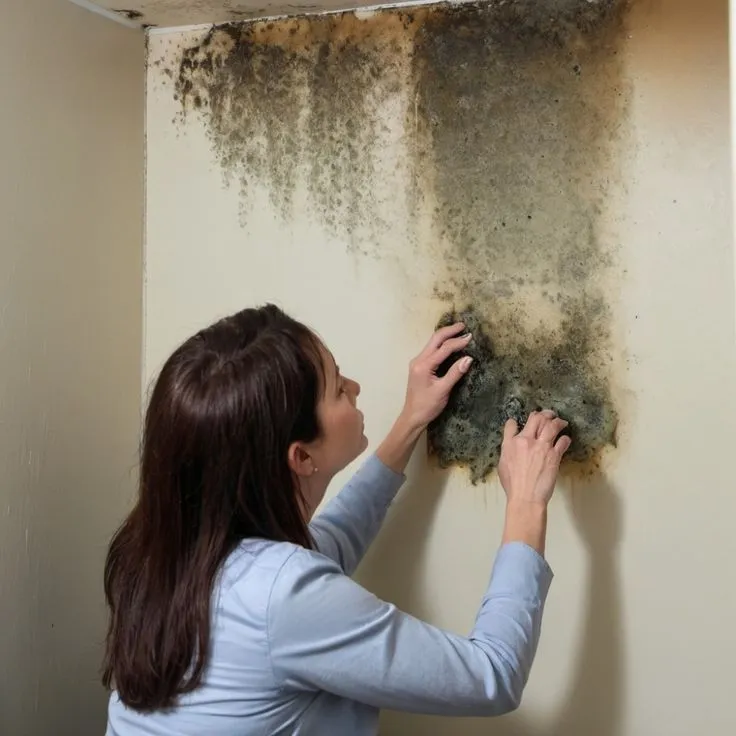
When a landlord or contractor needs to inspect or repair a damp or moldy area, tenants may feel caught between two priorities: allowing necessary work to proceed and preserving an accurate record of what happened. A person considering a Los Angeles habitability lawyer may eventually need to explain when the condition was reported, who entered the unit, what work was performed, and whether the problem returned. A simple repair log can help without turning every maintenance visit into a confrontation.
Keep the Original Repair Request
Save the message that first reported the leak, dampness, staining, odor, or visible growth. Written notice can help establish what was described and when.
Use factual language. Identify the room, approximate location, and whether active water is present. Avoid making scientific conclusions about mold species or medical causation unless qualified professionals have provided that information.
Record Scheduled Entry Information
California Civil Code section 1954 sets rules for landlord entry, including entry for necessary or agreed repairs. In many non-emergency situations, written reasonable notice is required, with 24 hours presumed reasonable absent evidence to the contrary; emergencies and certain consent situations are treated differently.
Tenants should keep notices of entry and any messages changing the appointment. If there is a disagreement about access rights, transaction-specific legal advice may be appropriate rather than relying on a general article.
Note Who Attended the Visit
After an inspection or repair, record the date and, if known, the company or type of worker who attended. Note which area they examined and what work you personally observed.
Do not attribute technical findings to a contractor unless those findings were actually communicated or documented.
Photograph the Area Before and After
Where safe and practical, take photographs before work begins and after it is completed. This can show whether materials were removed, surfaces changed, or visible staining remained.
Photos are records of appearance, not proof of mold species, moisture source, or liability.
Distinguish Repair From Moisture Control
California public-health guidance emphasizes correcting the source of dampness as part of addressing mold. Cleaning or painting a surface may not solve a problem if a leak, condensation issue, or water intrusion continues.
If the condition returns, document the recurrence with a new date rather than simply referring back to old photographs.
Avoid Obstructing Needed Work Solely to Preserve Evidence
Tenants may worry that repairs will remove evidence relevant to a future dispute. Necessary remediation should not be delayed simply to keep the condition unchanged.
A tenant mold lawyer can advise on a specific dispute, but photographs, written notices, reports, and damaged-property records can often preserve important information while repairs proceed.
Keep Belongings Records Separate
If furniture, clothing, books, or other property is affected, create a separate list. Photograph items before disposal where reasonable and keep receipts, order histories, cleaning invoices, or replacement estimates when available.
Separating property loss from the building-repair log makes the overall record easier to follow.
Track Temporary Measures
A property manager may provide fans, dehumidifiers, temporary relocation, or other interim measures depending on the situation. Record what was provided and for how long without assuming that a temporary step resolved the underlying condition.
The legal significance of any measure depends on the facts.
Treat Health Concerns Separately
Damp or moldy environments can be associated with respiratory or allergic effects for some people, but individual symptoms can have many causes. Health concerns should be evaluated by appropriate healthcare professionals.
Keep medical information in its own file rather than mixing diagnoses or assumptions into routine maintenance emails.
Build a Short Timeline
A one-page chronology can list the first observation, notice dates, entries, repairs, recurrence, inspections, and significant expenses. This is often easier to review than months of messages in different apps.
Update the timeline only with events you can describe accurately.
Conclusion
Repair access and documentation do not need to be opposing goals. Tenants can allow appropriate work to move forward while keeping a factual record of notice, entry, inspections, repairs, photographs, recurrence, and property damage.
A clear timeline becomes especially useful when a moisture problem persists, or the parties disagree about what was done. It does not establish liability or guarantee a legal remedy, but it reduces reliance on memory. In a Los Angeles rental dispute, accurate records can help tenants, property owners, inspectors, healthcare professionals, and attorneys evaluate their separate parts of the situation more clearly.
