
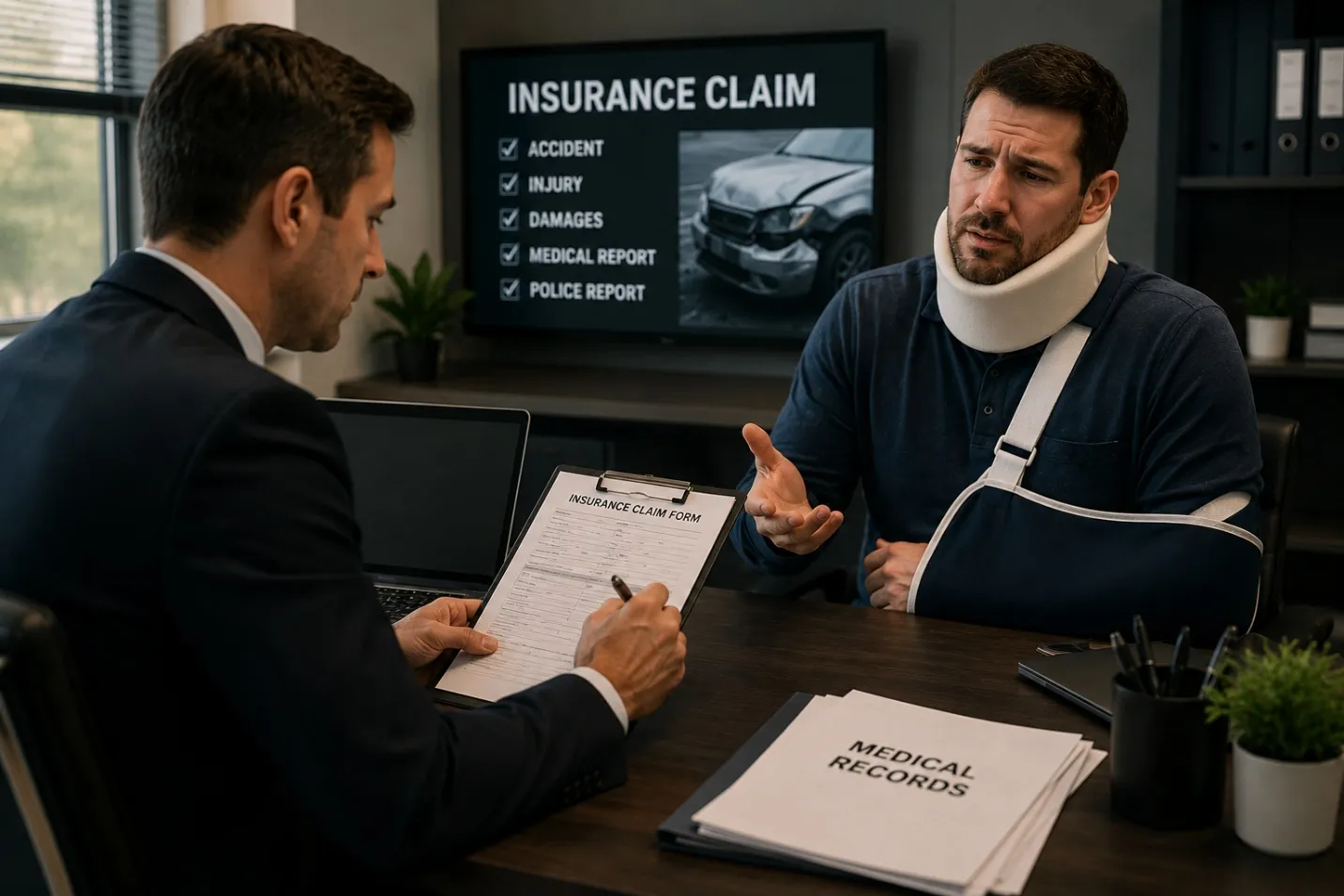
Insurance claims often involve circumstances that are difficult to reconstruct. An accident may have occurred without independent witnesses, medical information might require clarification, or conflicting statements may raise questions about the sequence of events. These situations can create challenges for everyone involved.
Insurance investigations help establish relevant facts through appropriate documentation and verification. A Private Investigator Miami FL may assist insurance professionals with claim-related inquiries when additional factual information is necessary. The purpose of a responsible investigation is not simply to reject claims. It is to help decision-makers evaluate evidence fairly while respecting the rights of policyholders and other affected individuals.
Understanding Why Claims Require Investigation
Insurance companies receive claims involving property damage, workplace injuries, vehicle accidents, and many other circumstances. Most investigations begin with routine documentation rather than suspicion of deliberate wrongdoing.
Adjusters may review policy terms, incident descriptions, photographs, medical documentation, and other available records. Additional investigative assistance can become useful when important details are missing or accounts conflict.
An inconsistency does not automatically prove fraud. People may remember stressful events differently, misunderstand questions, or provide incomplete information. Investigators should examine reasonable explanations before concluding.
Examining Evidence Without Making Assumptions
Professional investigations depend on relevant, verifiable information. Depending on the claim, this might involve interviewing witnesses, reviewing authorized records, or documenting locations connected with an incident.
Valdes Investigation Group identifies insurance investigations and specialized investigative support among its services. These activities can help insurers examine complicated claims that require additional field research.
Evidence should be gathered through lawful methods and documented accurately. Investigators must avoid misrepresenting observations or omitting information simply because it conflicts with an initial theory.
The Role Of Surveillance In Claims
Surveillance may be considered in certain claim investigations when there is a legitimate reason to document observable activities. However, its use requires attention to legal boundaries and personal privacy.
Observations made in public settings can sometimes provide context, but surveillance footage rarely explains every aspect of a person’s circumstances. A brief recording of physical activity may not establish the full extent of an injury or medical condition.
Investigators should record observations objectively and avoid reaching medical conclusions outside their expertise. Insurers should evaluate relevant footage alongside medical evidence and other claim information rather than treating isolated images as definitive proof.
Investigating Potential Workers’ Compensation Fraud
Workers’ compensation systems are intended to provide benefits for eligible work-related injuries and illnesses. Investigative concerns may arise when submitted information appears inconsistent with other available records.
These matters require particular care because medical restrictions can vary over time, and physical capabilities may differ from one activity to another. An employee’s presence outside the home, for example, does not automatically establish that a claim is improper.
Appropriate investigations focus on specific factual questions. Legal representatives, medical professionals, and claims specialists may need to interpret the findings before any determination is made.
Maintaining Fairness And Claimant Privacy
Insurance investigations involve sensitive information, including medical records, financial details, and personal circumstances. Access to protected information must have a lawful basis.
Investigators should collect only what is relevant and take reasonable steps to protect the material they receive. Secure reporting systems, controlled access, and documented handling procedures help reduce unnecessary exposure.
Fairness also requires avoiding premature allegations. Investigative findings should be evaluated against the complete claim record, with opportunities to resolve misunderstandings where appropriate.
How Clear Reports Improve Claims Handling
A well-prepared investigative report allows claims professionals to understand what was examined and what was discovered. It should identify relevant dates, sources, observations, and limitations.
Separating confirmed facts from interpretations is particularly important. If an investigator cannot verify a statement or locate a witness, the report should explain that limitation rather than suggest certainty.
Clear reporting helps insurers make decisions that are better supported and easier to review. It may also reduce unnecessary disputes by identifying which issues remain unresolved.
Conclusion
Insurance investigations play an important role in evaluating complicated claims, identifying relevant facts, and supporting fair decisions. Their effectiveness depends on objective evidence collection, lawful procedures, and careful interpretation rather than assumptions about claimants.
Investigative services associated with valdesinvgr.com illustrate how outside professionals may contribute to claim reviews requiring specialized assistance. Whether a matter involves property damage, personal injury, or suspected misrepresentation, accurate documentation remains essential. A fair investigative process protects the integrity of insurance decisions while recognizing the rights and legitimate interests of everyone involved.
