
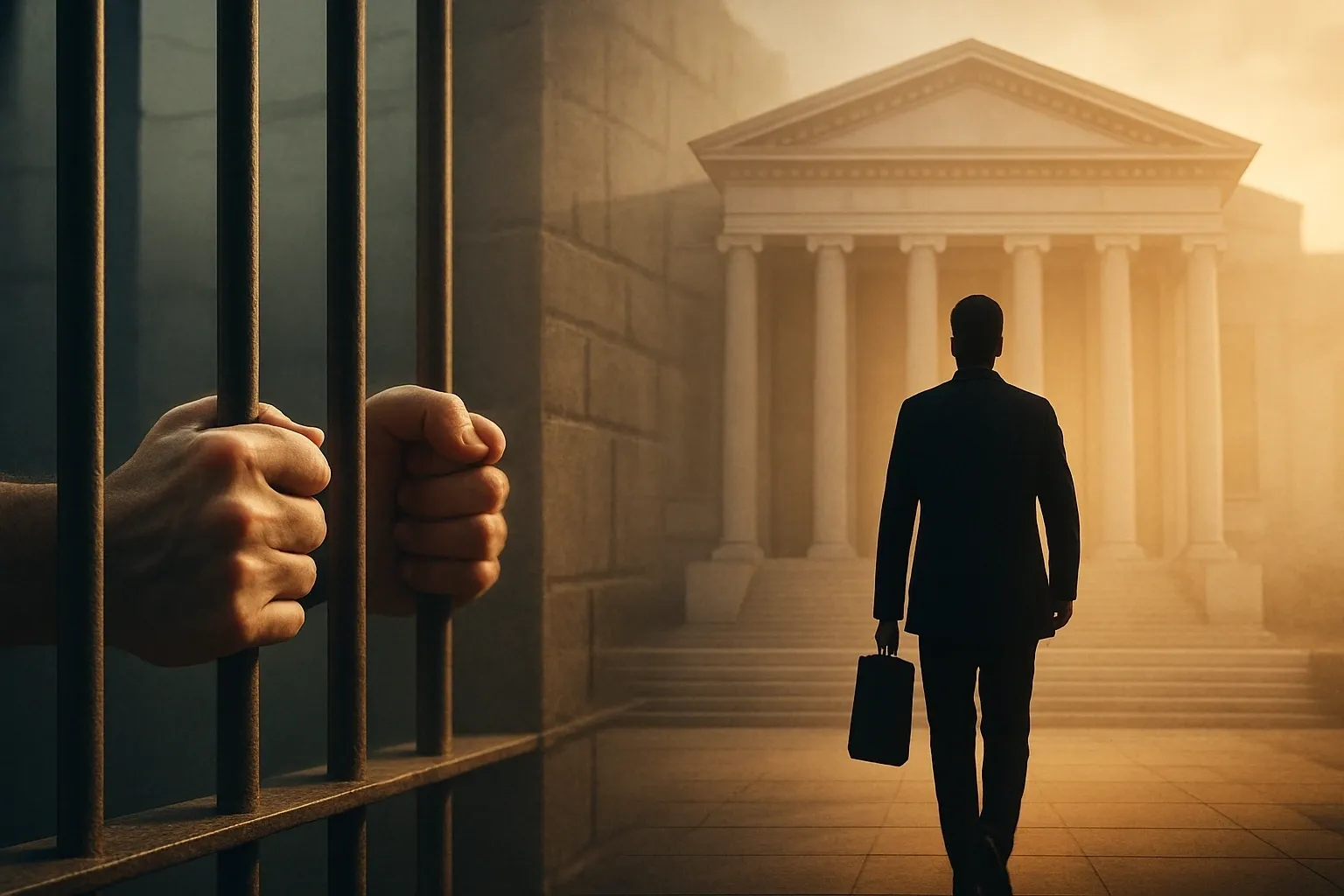
Prisons are designed to protect society by holding individuals accountable for criminal offenses. However, serving a sentence should never mean losing basic human dignity. Across the world, discussions about Legal Aid, Federal Prison systems, Inmate Rights, Human Rights in Prisons, Prison Reform, and Correctional Accountability continue to shape how justice is delivered.
A fair correctional system does more than punish wrongdoing—it also provides opportunities for rehabilitation, protects fundamental rights, and ensures that every individual is treated with respect. Whether someone is housed in a local jail or a Federal Prison, legal protections remain an essential part of a just society.
This article explores why these issues matter, how they affect inmates and communities, and why ongoing reform is necessary for a stronger justice system.
Understanding Legal Aid in the Correctional System
Legal Aid refers to legal assistance provided to individuals who cannot afford private legal representation. While many people associate legal aid with criminal trials, its role extends far beyond the courtroom.
For incarcerated individuals, legal aid may help with:
· Appeals and post-conviction proceedings
· Sentence reviews
· Civil rights complaints
· Access to medical care
· Family-related legal matters
· Issues involving parole or release
Without proper legal assistance, many inmates struggle to understand complex legal procedures or protect their rights while incarcerated.
Legal aid organizations help ensure that justice remains accessible regardless of financial status.
The Role of the Federal Prison System
Federal Prison houses individuals convicted of violating federal laws rather than state laws. These facilities are managed under national correctional authorities and vary in security levels, including minimum, low, medium, high, and administrative institutions.
Federal prisons generally focus on:
· Public safety
· Secure incarceration
· Educational opportunities
· Vocational training
· Rehabilitation programs
· Reentry preparation
Although federal facilities often have structured programs, they still face challenges such as overcrowding, healthcare concerns, staffing shortages, and mental health support.
Improving these areas remains an important goal of modern correctional policy.
Why Inmate Rights Are Essential
Many people mistakenly believe that incarceration removes all legal protections. In reality, Inmate Rights continue to exist even after a person is convicted.
These rights help ensure that inmates receive fair and humane treatment while serving their sentences.
Some common inmate rights include:
· Access to necessary medical care
· Protection from abuse and violence
· Freedom from cruel or unusual punishment
· Access to legal representation
· Religious freedom
· Reasonable communication with family members
· Equal treatment without unlawful discrimination
Respecting inmate rights benefits not only prisoners but also correctional institutions by reducing conflict and promoting stability.
Human Rights in Prisons: A Global Responsibility
The concept of Human Rights in Prisons is based on the principle that every individual deserves dignity regardless of their legal status.
International human rights standards encourage correctional systems to provide:
· Safe living conditions
· Adequate nutrition
· Proper sanitation
· Medical and mental health care
· Opportunities for education
· Protection against torture or abuse
Human rights do not excuse criminal behavior. Instead, they recognize that punishment should never involve unnecessary suffering or degrading treatment.
Countries that invest in humane prison conditions often experience better rehabilitation outcomes and safer communities after inmates are released.
Common Challenges inside Correctional Facilities
Despite legal protections, correctional institutions continue to face several challenges that affect inmates, staff, and families.
Overcrowding
Many prisons operate beyond their intended capacity, creating problems such as:
· Limited living space
· Increased violence
· Higher stress levels
· Reduced access to programs
Healthcare Access
Many incarcerated individuals require treatment for:
· Chronic illnesses
· Mental health disorders
· Substance use disorders
· Disabilities
Delays in treatment can significantly affect inmate well-being.
Mental Health
Isolation, long sentences, and limited support may contribute to:
· Depression
· Anxiety
· Trauma
· Self-harm risks
Expanding mental health services remains a priority for many correctional systems.
Reentry Challenges
After release, former inmates often struggle with:
· Employment
· Housing
· Education
· Social reintegration
Successful reentry programs reduce repeat offenses and strengthen communities.
Why Prison Reform Is Necessary
Prison Reform focuses on improving correctional systems while maintaining public safety.
The goal is not to eliminate accountability but to create prisons that encourage rehabilitation alongside security.
Several important reform initiatives include:
Improving Rehabilitation Programs
Education and vocational training help inmates develop valuable skills before release.
These programs may include:
· Literacy education
· College courses
· Trade certifications
· Computer training
· Life skills development
Research consistently shows that education reduces repeat offending.
Expanding Mental Health Services
Correctional facilities increasingly recognize the importance of treating mental illness.
Improved counseling, therapy, and addiction recovery programs support long-term rehabilitation.
Modernizing Correctional Policies
Many reform efforts focus on:
· Updated sentencing policies
· Fair disciplinary procedures
· Evidence-based rehabilitation
· Reduced overcrowding
These changes improve both institutional safety and long-term public outcomes.
The Importance of Correctional Accountability
Correctional Accountability refers to ensuring that correctional institutions, staff, and administrators operate fairly, transparently, and according to the law.
Accountability helps build public trust while protecting both inmates and correctional employees.
Important elements include:
· Independent oversight
· Internal investigations
· Staff training
· Clear reporting procedures
· Ethical leadership
· Compliance with legal standards
When accountability systems function effectively, correctional facilities become safer for everyone involved.
Balancing Public Safety and Human Dignity
Effective corrections require balancing two important responsibilities:
First, society expects prisons to protect communities by securely housing offenders.
Second, correctional institutions have a responsibility to respect human dignity and prepare inmates for successful reintegration.
This balance can be achieved through:
· Fair treatment
· Educational opportunities
· Mental health care
· Evidence-based rehabilitation
· Professional correctional staff
· Transparent oversight
Strong correctional systems recognize that these goals work together rather than against one another.
How Families Are Affected
Families often experience emotional and financial challenges when a loved one enters prison.
Children, spouses, and parents may face:
· Emotional stress
· Financial hardship
· Communication barriers
· Social stigma
Programs that encourage healthy family communication often improve rehabilitation outcomes and reduce future criminal behavior.
Maintaining appropriate family relationships can provide inmates with valuable emotional support during incarceration and after release.
Technology’s Growing Role in Modern Corrections
Correctional facilities increasingly use technology to improve safety and efficiency.
Examples include:
· Electronic record systems
· Digital educational programs
· Secure video visitation
· Tele-health medical services
· Risk assessment tools
While technology offers many benefits, correctional agencies must also protect privacy and ensure equal access for inmates.
Responsible implementation supports both operational efficiency and inmate well-being.
Community Support After Release
Successful reintegration benefits everyone.
Communities can support formerly incarcerated individuals through:
· Employment opportunities
· Educational programs
· Counseling services
· Housing assistance
· Mentorship programs
When individuals have access to stable employment and supportive resources, they are more likely to become productive members of society.
Rehabilitation is most effective when correctional institutions and communities work together.
The Future of Prison Reform
Around the world, policymakers continue exploring ways to improve correctional systems.
Future priorities may include:
· Increased access to legal services
· Better healthcare delivery
· Expanded educational opportunities
· Greater transparency
· Improved staff training
· Stronger rehabilitation initiatives
· Enhanced correctional accountability
These efforts aim to create correctional systems that are fair, effective, and focused on long-term public safety.
Conclusion
A strong justice system protects society while respecting the rights and dignity of every individual. Legal Aid ensures equal access to justice, Federal Prison systems provide secure incarceration, and protecting Inmate Rights helps maintain lawful and humane correctional environments.
Supporting Human Rights in Prisons does not weaken accountability—it strengthens the integrity of the justice system. Through meaningful Prison Reform and effective Correctional Accountability, correctional institutions can improve rehabilitation, enhance public safety, and prepare individuals for successful reintegration into society.
Ultimately, a correctional system that values fairness, responsibility, and rehabilitation serves not only inmates but also families, communities, and society as a whole.
